
About the PERIODS Project
Do you agree that menstruation is about
so much more than blood?
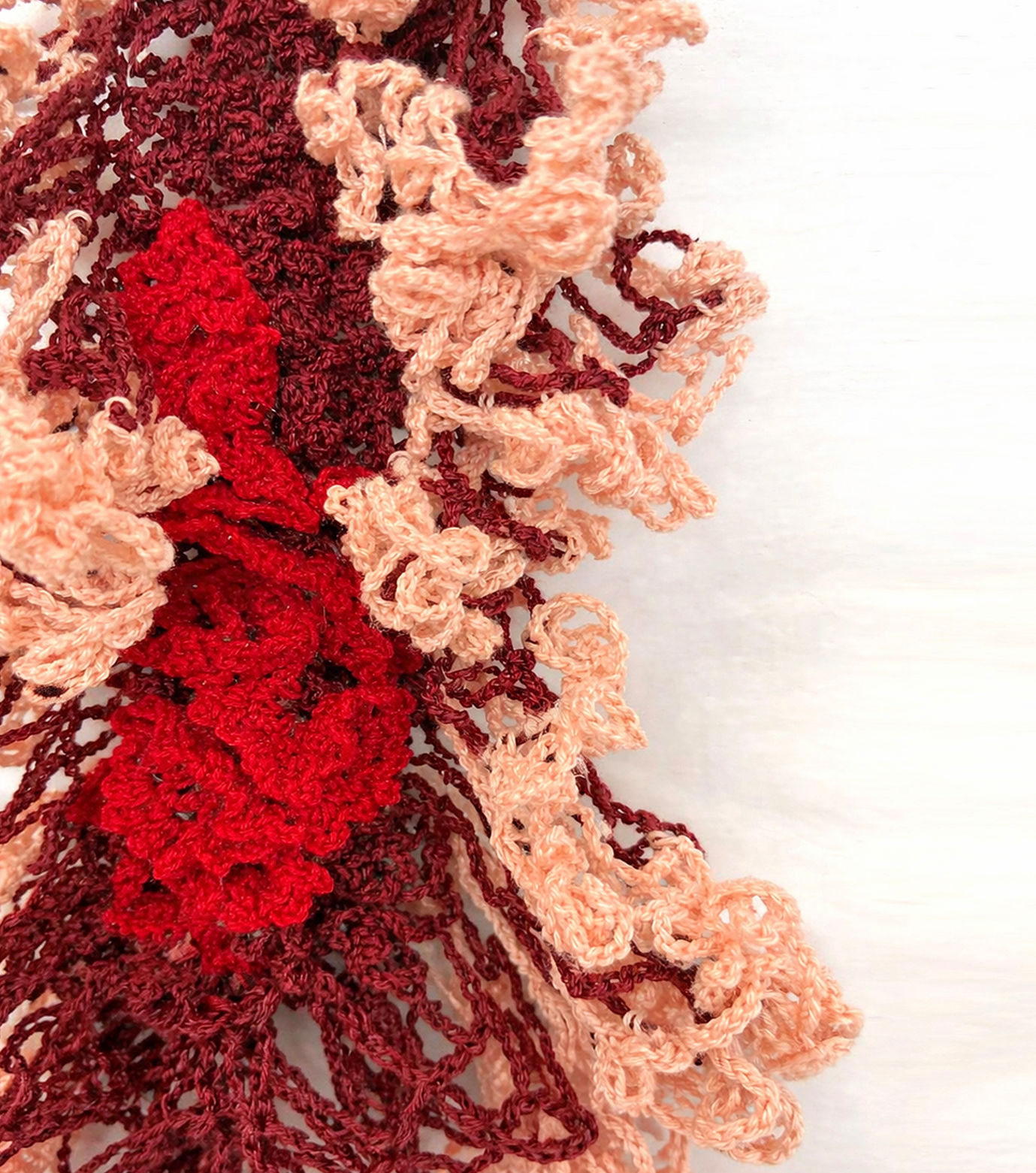
PHOTO BY - AZADEH MONZAVI
That is the premise of PERIODS, an interdisciplinary, transnational research project that considers menstruation in the context of human rights, gender justice, and social mobilisation. We view menstruation not just as a biological process but a gendered social process that compounds with other forms of structural injustices to create situations of discrimination for menstruators, curtailing their rights to health, education, work, and full participation in public life.
The last decade has witnessed tremendous growth in awareness around the complex issues surrounding menstruation, yet responses often focus narrowly on access to menstrual products and sanitation facilities. These technical quick fixes to perceived problems overlook the deeper social, cultural, economic, and political conditions that shape how people experience menstruation.
In the PERIODS project, we center people’s lived experiences and explore how they mobilize on that basis to challenge stigma, claim bodily autonomy, and demand accountability from states and institutions. By foregrounding diverse and intersectional experiences across the global South and North, the project advances a more nuanced understanding of what human rights mean in everyday practice.
The PERIODS Project pursues two overarching objectives:
- - It interrogates whether and how human rights can advance the menstrual movement
- - It contributes, at a conceptual level, to reenvisioning human rights ‘from below’ through the practice of social movements.
Theoretically, the project is rooted in the critical engagement with human rights and a re-envisioning of human rights ‘from below’. We consider the practice of human rights in the menstrual movement not only as constitutive of what matters for the realization of human rights, but also their conceptualization.
The PERIODS Project comprises of several intertwined case studies all of which center social mobilization on the basis of lived experiences among groups facing marginalization, thus challenging the notion of a ‘default’ menstruator. We will zoom in on entrenched forms of marginalization that influence menstrual experiences with a focus on the intersections of caste, religion, culture, ethnicity, informality, and gender identity. We will conduct research with Dalit communities in India, Roma communities in Eastern Europe, communities living in conditions of informality, and trans and non-binary communities. These case studies are not exclusively focused on specific forms of marginalization, but serve as entry points for understanding identities shaped by overlapping factors.
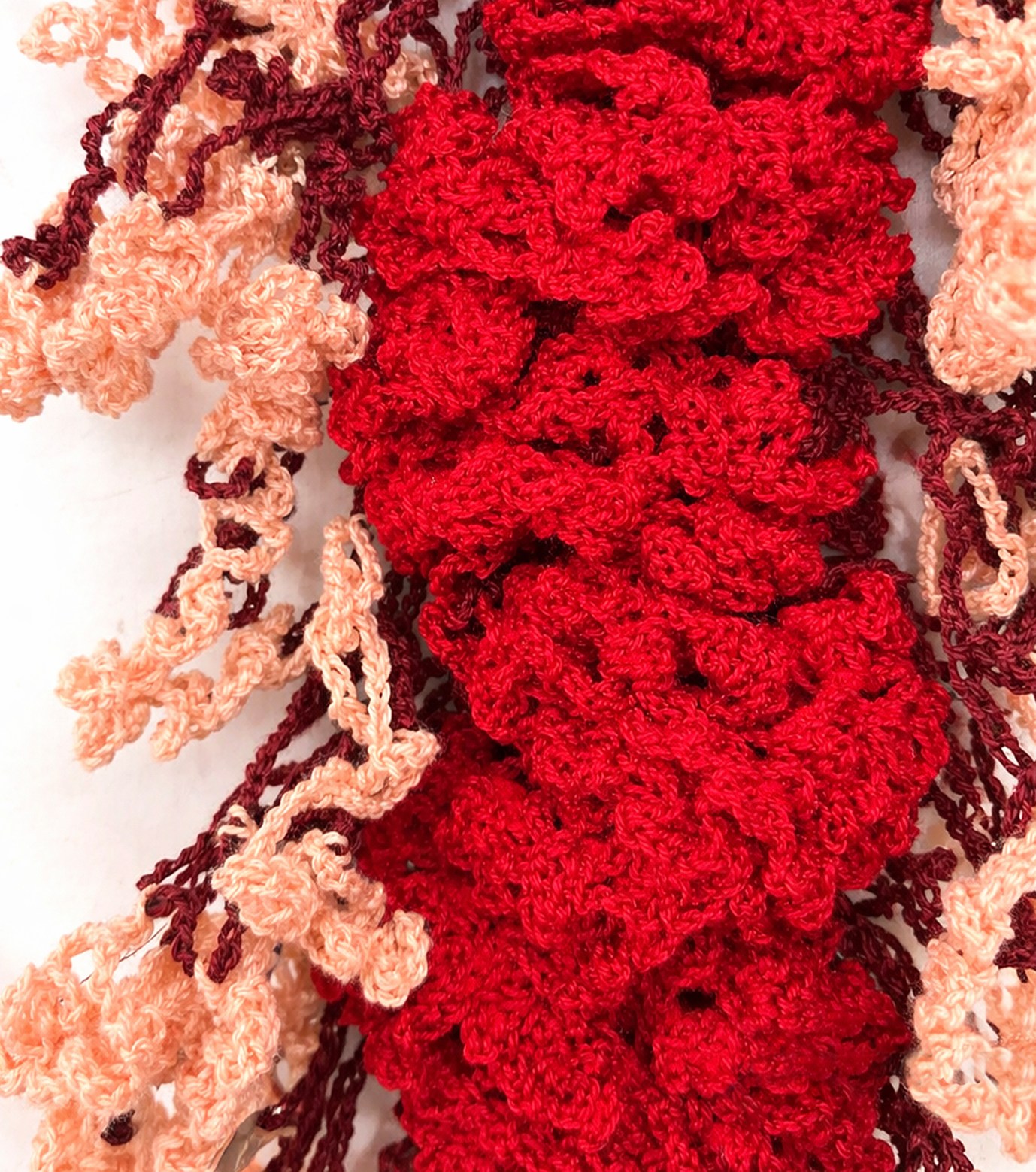
PHOTO BY - AZADEH MONZAVI
Together, these studies aim to conceptually and empirically contribute to the development of a more nuanced understanding of human rights and menstrual justice - through embracing menstruation in all its messiness.
The project is supported by a Consolidator Grant of the European Research Council (PERIODS, 101169791).
Funded by the European Union. Views and opinions expressed are however those of the author(s) only and do not necessarily reflect those of the European Union or the European Research Council Executive Agency. Neither the European Union nor the granting authority can be held responsible for them.
-copy-15.png)